Echizen Takefu: A City of Steel, Secrets, and Soul Food
If you are looking for the “artisan heart” of Japan, step off at Echizen Takefu Station. While many travelers overlook this industrial-meets-historic town, those in the know—including world-class Michelin chefs—come here for one thing: the pursuit of perfection.
From blades that slice like silk to alleys that feel like a time slip, here is your guide to exploring the many layers of Echizen Takefu.
The Steel: Blades Loved by World-Class Chefs
Echizen has been a center for forged steel for over 700 years. Today, it is home to world-renowned brands that are status symbols in professional kitchens.
- Takamura Hamono: The legendary workshop behind the knives used by Takuya Kimura in the drama Grand Maison Tokyo. Their blades are legendary for their thinness and edge retention.
- Ryusen & Kurosaki: Artisans like Yu Kurosaki create knives that are stunning works of art, blending traditional forging with modern, striking designs.
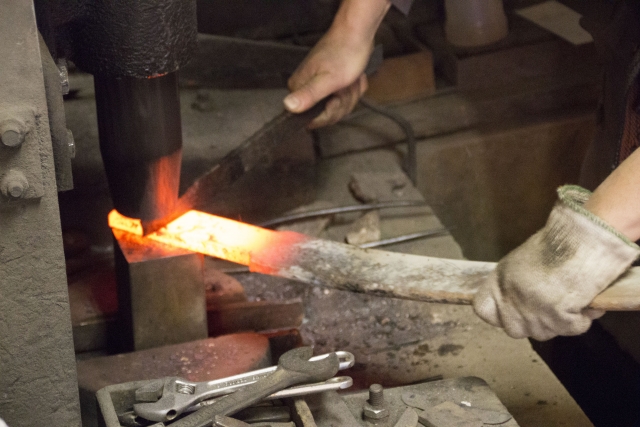
Visiting the Takefu Knife Village is a must. You can watch the sparks fly as masters hammer glowing steel into masterpieces.
Want to see these masters in action? If you visit in autumn, don’t miss “RENEW” – a rare opportunity to step inside the private workshops usually closed to the public.
→ Beyond Kyoto & Kanazawa: Discovering the Heart of Japanese Craft at RENEW Fukui
💡 Bringing the Edge Home: A professional Echizen knife is a lifetime partner. 👉 Explore Authentic Echizen Knives on Amazon
The Exploration: Mysterious Alleys and Reborn Traditions
Takefu is a city meant for wandering. Head to the Kura-no-Tsuji area, where white-walled storehouses from the Edo period stand in silent dignity.
But the real magic lies in the narrow, winding alleys like Manji-ga-Tsuji. These dead-ends and “L-shaped” paths were designed to confuse invaders, and even today, they offer a mysterious “maze-like” atmosphere that is a joy to explore.
While wandering, look for Igarashi Rasha-ten. Here, you’ll find the beautiful art of “re-creation”—traditional kimonos remade into modern, stylish clothing. They also host Kintsugi (repairing pottery with gold) workshops, embodying the Japanese spirit of cherishing and renewing history.
The Gourmet: From Elegant Soba to “Playful” Soul Food
Takefu’s food scene is a delightful contrast of the refined and the bold.
- Echizen Oroshi Soba: Simple, firm buckwheat noodles with a spicy radish kick. It’s the ultimate adult comfort food.
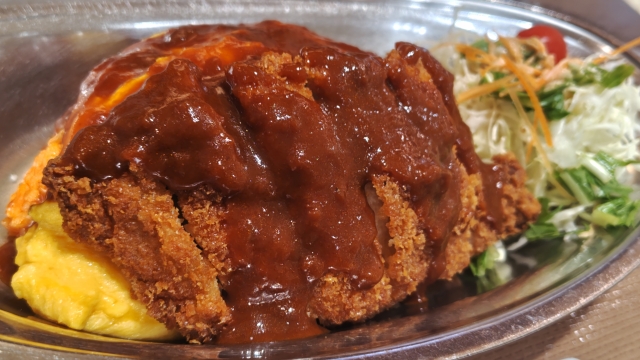
- The Legendary “Volga Rice”: Imagine an omelet-topped fried rice (Omurice), crowned with a crispy pork cutlet and smothered in rich demi-glace sauce. It is a “playful” and hearty dish that has a cult following. For the best experience, visit one of the local shops near the station where people line up for hours.
- Marumatsu Seafood: Right at the “Michi-no-Eki” next to the Shinkansen station, you can feast on incredible Kaisen-don (seafood bowls) prepared by master fishmongers.
💡 Travel Tip: After a day of exploring workshops and alleys, rest your legs in a local Machiya-style inn. 👉 Find the Best Stays in Echizen Takefu on Booking.com
Read more here:
Fukui City: A Castle Without a Castle — Why You Should Step Off the Shinkansen
Kehi Shrine in Tsuruga: Miss One Train and Discover Hidden Japanese History
Awara: Where Anime Passion Meets the Forest of Creation
💡 Best Way to Save: The “Have Fun in Fukui Pass” If you are staying in Fukui for a few days, this 1-week pass is a must-have. It covers entrance fees for major spots like Eiheiji Temple, local train rides (Echizen Railway), and even food vouchers for local delicacies. It’s incredibly reasonable and makes your journey much smoother. 👉 Get your Have Fun in Fukui Pass on Klook

コメント