- Kyoto Tourism: Balancing “Strategic Spending” and “Smart Freebies”
- The Cost of an Icon: Nijo Castle
- Finding Freedom in “Zero-Yen” Views: The Hiroshi Hara Masterpiece
- By balancing “Must-Pay” icons with these high-quality public assets, you can regain control over your travel experience.
- To navigate a city as powerful as Kyoto, I recommend these three strategies:
Kyoto Tourism: Balancing “Strategic Spending” and “Smart Freebies”
On my recent visit to Kyoto, standing before the majestic symbols of this World Heritage city, I found myself torn between admiration and skepticism.
To put it bluntly, Kyoto is no longer a place for a “casual stroll.” It has become a destination where travelers must have a clear “Editorial Mindset”—deciding exactly where to invest their budget and where to save. Without a strategic plan, the cumulative “pay-as-you-go” nature of modern Kyoto can quickly lead to tourist fatigue.
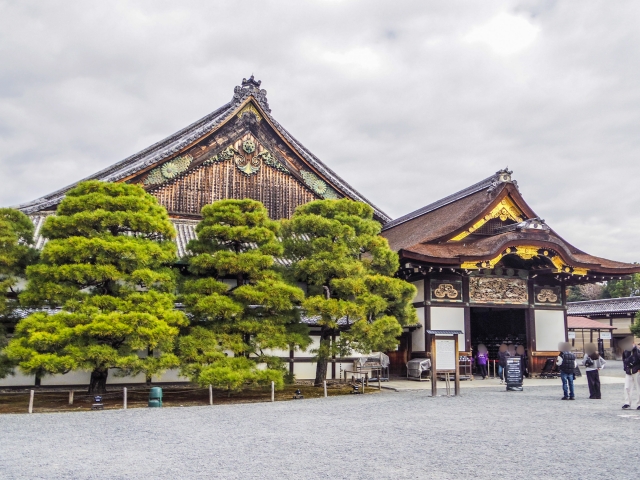
The Cost of an Icon: Nijo Castle
I recently visited Nijo Castle during a gap in my schedule. While the cherry blossom season had passed, the historical weight of the site remains undeniable. However, it also served as a stark example of the “micro-transaction” structure of high-end tourism.
Between the general entrance, the Ninomaru Palace, and the Honmaru Palace, the total for two people came to 4,600 yen. Given its status as a UNESCO World Heritage site and the immense cost of preserving the Shogunate’s history, this price is arguably justified. Yet, for a traveler, the constant need to reopen one’s wallet at every gate can feel exhausting.
Finding Freedom in “Zero-Yen” Views: The Hiroshi Hara Masterpiece
While I respect the logic of cultural preservation, how can we overcome the friction caused by this “pay-to-view” structure? The answer was hiding in plain sight: the gateway to the city, JR Kyoto Station.
Designed by architect Hiroshi Hara, this massive glass-and-steel atrium is a “Future Icon.” It offers a sophisticated way to enjoy Kyoto’s aesthetic without the constant cost:
Skyway Tunnel: Floating 45 meters above ground, this path offers a panoramic view of Kyoto’s grid-like urban planning.
The Grand Stairway: A monumental public space where you can experience the city’s strict landscape regulations through a modern lens.
By balancing “Must-Pay” icons with these high-quality public assets, you can regain control over your travel experience.
Bridging the Information Gap: The Importance of Research
After my trip, I came across a video by a popular travel YouTuber who explored Kyoto on a strict 1,000-yen budget. It was a revelation. If I had researched more thoroughly to combine “Free Views” with “Smart Transit,” my experience would have been far more balanced. In modern travel, Information Asymmetry is the enemy. Your “Pre-trip Council”—the time spent researching—is the investment that yields the highest return.
How to Conquer a “Premier City”
To navigate a city as powerful as Kyoto, I recommend these three strategies:
Selective Luxury: Don’t hesitate to pay for “Giga-Icons” like Nijo Castle, but do so with intent.
Utilize Public Assets: Make full use of architectural gems like Kyoto Station for free, high-quality views.
Edit Your Route: Don’t just follow the paid path; “edit” your own journey.
The Future of Travel: What Lies Beyond the Crowd
My journey taught me that the opposite of “Crowds and Constant Fees” is a luxury in itself. This luxury is found in places like Fukui, where I reside—where the sites are uncrowded, and transportation functions with effortless comfort.
Rather than simply envying or criticizing major tourist hubs, we should understand their structure and navigate them wisely. And once you have mastered the “Strategy of Kyoto,” your next logical step is to seek the “Undiscovered Luxury” of Japan’s rural regions.
The real “Investment” starts with your research.
Ready to discover the “Quiet Luxury” mentioned above? Check out my guide to the Reinan region in Fukui, where history and nature breathe without the crowds.
[Link: The Mystery of 70,000 Years – Suigetsu Lake Museum]
The Mackerel Sandwich Connection: A 10,000km Journey from Istanbul to Obama, Japan

コメント